Cyprus Corporate Tax at 15%: Planning Implications for Businesses and Holding Structures
Cyprus corporate tax 2026 rose to 15%. Learn how it affects SMEs, holding structures and multinationals - and how to reduce your effective rate.
Written by Andreas AchilleosFinancial Advisory Lead · CFA Charterholder


Why the Rate Changed
The OECD’s Pillar Two framework mandates a global minimum effective tax rate of 15% for large multinational enterprise (MNE) groups with consolidated annual revenues exceeding €750 million. EU member states were required to implement the framework into domestic law.
Cyprus had two options: retain 12.5% and risk top-up taxes being collected by other jurisdictions where group entities operate, or align the domestic rate to 15% and capture that revenue for the Cyprus Treasury. The government chose alignment – and extended it to all Cyprus taxpayers, not just those within Pillar Two scope.
The decision was also shaped by a broader policy goal: to modernise the Cyprus tax framework and reduce scrutiny from international regulators who viewed the 12.5% rate as a low-tax outlier within the EU.
Which Entities Are Affected
The 15% rate applies to:
- Cyprus tax-resident companies – companies incorporated in Cyprus or managed and controlled from Cyprus
- Cyprus permanent establishments of foreign companies
- All taxable periods beginning on or after 1 January 2026
There is no grandfathering for existing structures. A Cyprus holding company that previously paid 12.5% on its taxable income pays 15% from 2026. The rate increase is across the board – there is no reduced rate for small companies, no sector exemption, and no phase-in period.
Impact on SMEs vs Multinationals
SMEs and Mid-Market Businesses
For Cyprus-based SMEs below the €750 million Pillar Two threshold, the rate increase is a domestic policy decision rather than an international obligation. These businesses will pay more tax on their Cyprus-source profits. The increase is 2.5 percentage points – on €500,000 of taxable income, that is an additional €12,500 in annual tax.
However, this cohort benefits most from the complementary measures introduced alongside the rate increase: the extended loss carry-forward period (now 7 years), the retained NID, and the R&D super-deduction at 120%. Companies that invest in IP, fund operations through equity, or carry accumulated losses have tools to manage their effective rate.
Multinational Groups (Revenue Above €750 Million)
For Pillar Two-scope groups, the domestic rate alignment is the more critical development. Before 2026, a Cyprus entity within a large MNE group paying 12.5% CIT could be subject to a top-up tax in another jurisdiction to bring the effective rate to 15%. With Cyprus now at 15%, the domestic rate satisfies the Pillar Two minimum in most cases, provided the effective tax rate – after adjustments for exempt income and other items – meets the threshold.
Groups with Cyprus holding companies, finance subsidiaries, or IP entities should review their Pillar Two effective tax rate calculations for each Cyprus entity to confirm compliance and avoid top-up tax exposure.
Impact on Holding Structures
Cyprus has long been used as a holding jurisdiction. The standard Cyprus holding structure takes advantage of:
- Zero withholding tax on dividends paid out of Cyprus
- Exemption from CIT on dividend income received (subject to conditions)
- Exemption from capital gains tax on disposal of shares (other than shares in Cyprus property-owning companies)
- Extensive double tax treaty network
None of these features have changed. The 15% rate applies to taxable profits – holding companies that earn primarily exempt dividend income or capital gains on shares will continue to have a low or zero effective tax rate in Cyprus. The rate increase is most material for operating holding companies or Cyprus resident companies with significant trading income, interest income, or royalty income outside the IP Box.
IP Box: Effective Rate at 3%
The IP Box regime continues to provide an 80% exemption on qualifying intellectual property profits. At the new 15% rate:
20% (taxable portion) × 15% (CIT rate) = 3% effective rate
Pre-2026, the effective IP Box rate was 2.5%. The increase is 0.5 percentage points. For businesses with significant IP income, the IP Box remains highly competitive. Qualifying IP includes patents, copyrighted software, and other intangibles that meet the nexus ratio requirements under OECD BEPS Action 5. The Cyprus IP Box is substance-based – IP must be developed, at least in part, through qualifying R&D expenditure in Cyprus.
Notional Interest Deduction: Retained
The Notional Interest Deduction (NID) allows companies funded by new equity (equity introduced into the company after 1 January 2015) to claim a deduction calculated as a notional interest charge on that equity. The NID rate is the 10-year government bond yield of the country where the invested funds are deployed, plus 5%, capped at 80% of taxable profits.
NID is particularly valuable for:
- Finance companies lending within a group
- Holding companies funded by equity rather than debt
- Operating subsidiaries capitalised with shareholder equity
Businesses reviewing their capital structure in light of the rate increase should assess whether increasing equity funding – and correspondingly increasing the NID base – can offset part of the rate impact.
Loss Carry-Forward: Now 7 Years
Tax losses can now be carried forward for 7 years (previously 5 years). This is a meaningful change for businesses with volatile or cyclical income, significant upfront investment phases, or losses accumulated during COVID or other disruption periods. Businesses approaching the end of their 5-year carry-forward period under the old rules should review their loss position immediately, as transitional provisions will determine whether old losses benefit from the extended period.
Worked Example: Tax Under Old vs New Rate
Consider a Cyprus trading company with €600,000 annual taxable income, no IP Box income, no NID, and no carried-forward losses:
- Under the 2025 rate: €600,000 × 12.5% = €75,000 CIT
- Under the 2026 rate: €600,000 × 15% = €90,000 CIT
- Additional annual tax: €15,000
Now consider the same company that introduces €2,000,000 of new equity and deploys those funds in a lending structure, with an applicable NID rate of 7%:
- NID deduction: €2,000,000 × 7% = €140,000
- Revised taxable income: €600,000 – €140,000 = €460,000
- CIT at 15%: €460,000 × 15% = €69,000
With NID deployed, the effective tax burden (€69,000) is lower than the pre-2026 position (€75,000). The rate increased, but the planning tool more than compensates.
What Businesses Should Review Before the Next Fiscal Year
- Effective rate calculation – Identify which Cyprus entities are generating taxable income and model the impact of the rate change on each
- IP Box eligibility – If the business holds or develops intellectual property, assess whether a Cyprus IP Box structure is viable at the 3% effective rate
- Equity funding and NID – Review capital structures; equity-funded entities may reduce their effective rate materially through NID
- Loss carry-forward position – Identify losses at risk of expiry under the old 5-year rules and confirm treatment under transitional provisions
- Pillar Two compliance – Groups above €750 million consolidated revenue should confirm Cyprus entity effective rates meet Pillar Two requirements
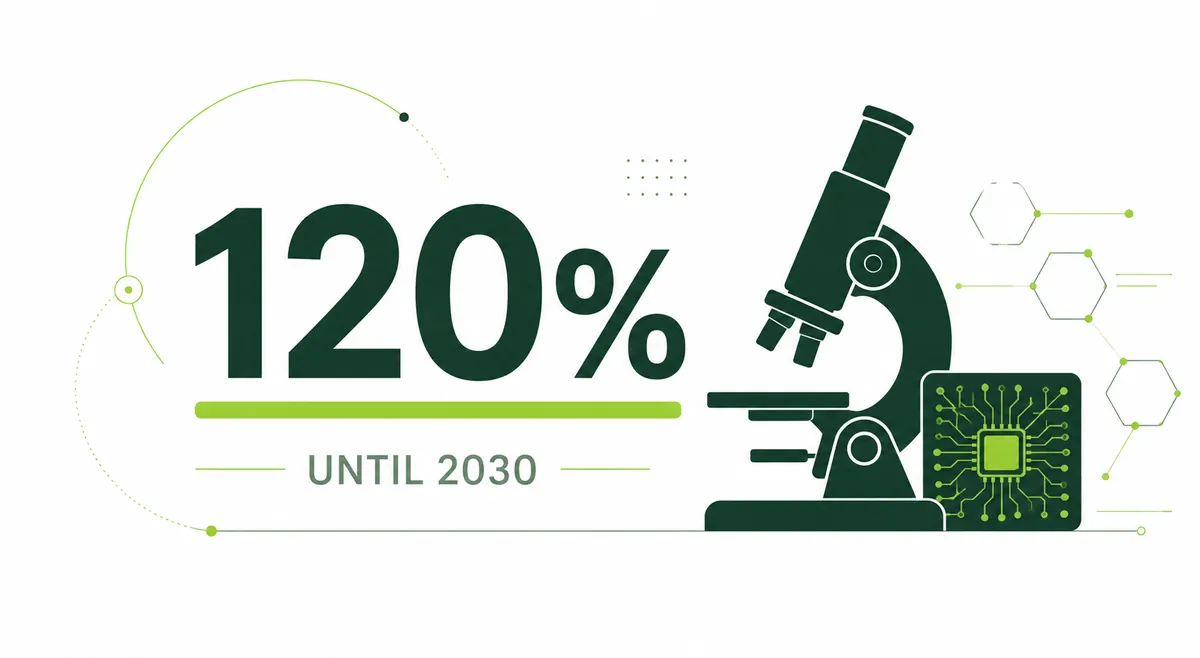
- R&D expenditure – Qualifying R&D spend benefits from a 120% super-deduction until 31 December 2030
For tailored advice on Cyprus corporate tax planning at 15%, holding structure review, or Pillar Two compliance, contact Fiscalpoint at fiscalpoint.com
Staying compliant in 2026: deadlines and penalties
The rate is only half the story. The 2026 reform also sharpens the compliance side, so getting the process right matters as much as the planning.
- Provisional tax: companies pay temporary tax on estimated 2026 profits in two equal instalments, due 31 July and 31 December 2026.
- The underestimation trap: if your provisional estimate is more than 25% below your final liability, a 10% penalty applies to the shortfall, so the estimate should be realistic rather than optimistic.
- Late payment: interest runs on tax not settled by the deadline, calculated on completed months of delay.
- Enforcement is tightening: the Tax Department has stronger collection tools, so carrying unresolved arrears is riskier than it used to be.
Planning an acquisition or restructuring alongside the new rate? Our transaction advisory team handles the valuation and due diligence, and we run your corporate tax and compliance end to end.
One planning point sits outside the headline rate: income from qualifying intellectual property is taxed far more favourably under the Cyprus IP Box regime, which matters for software, technology and R&D-driven businesses.
Planning to incorporate? See our full guide to company formation in Cyprus.
Need help staying compliant? See our guide to Cyprus corporate tax & compliance.
This article is general information on Cyprus tax rules, not advice on your position. The right answer depends on your structure, your residency and the type of income, so treat it as the start of a conversation rather than the end of one.